Every banknote wears out. It gets folded, torn, taped, written on and handled until it is too worn to stay in circulation. Fitness sorting is the job of deciding, note by note, which notes are still good enough to go back out to customers and which should be taken out of circulation. Banks and cash centres have traditionally done this by eye. A fitness sorter does it automatically, at the same time as counting and checking for counterfeits.
Fit and unfit notes
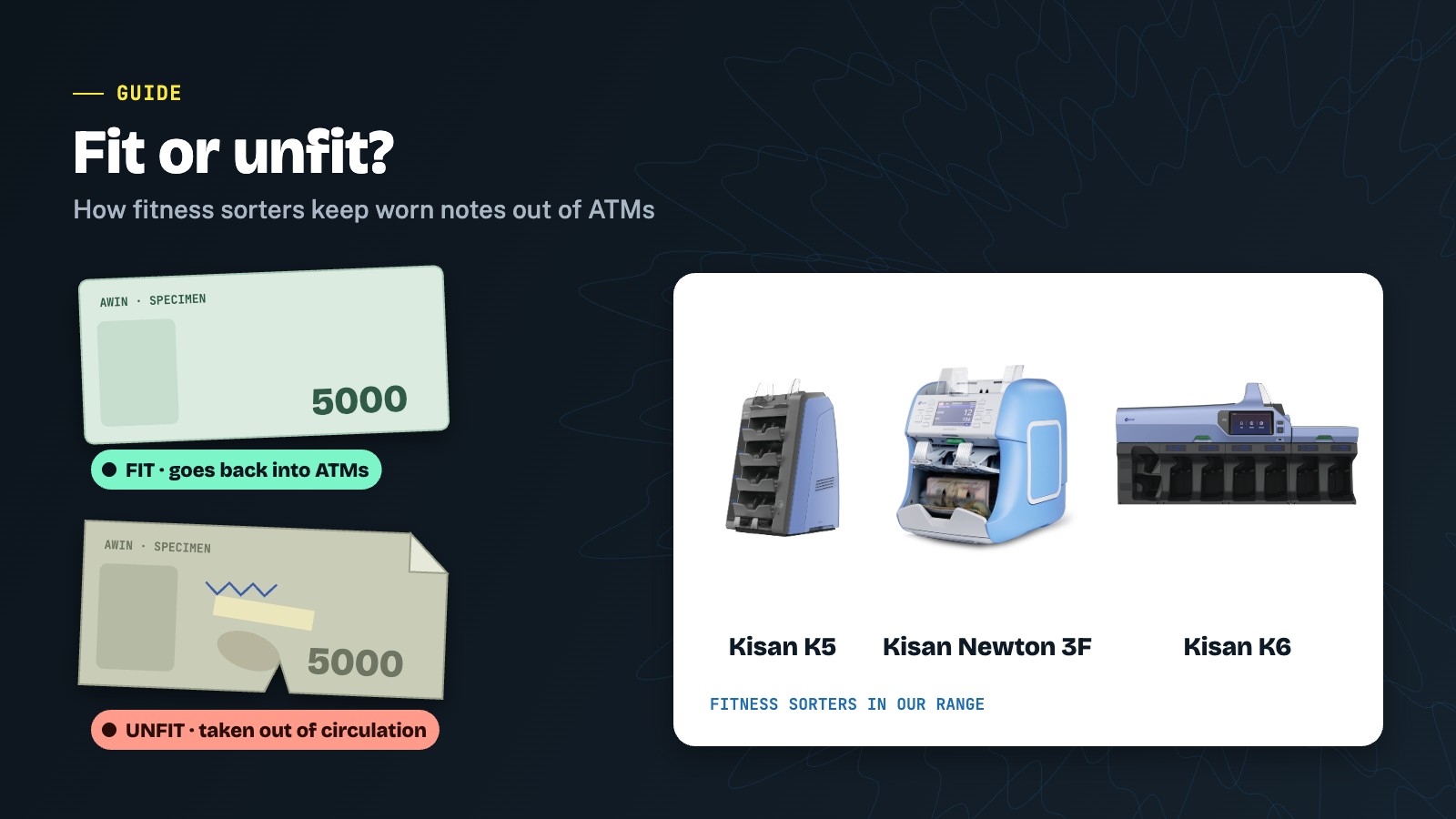
A fit note is genuine and in good enough condition to be paid out again, including through an ATM. An unfit note is genuine but too worn or damaged. Common reasons a note is classed as unfit:
- Soiling: the note is dirty or discoloured from heavy handling.
- Tears and holes: tears from the edge, holes, or missing pieces.
- Dog-ears and folded corners.
- Tape: a torn note that has been repaired with sticky tape.
- Graffiti and stains: writing, stamps, ink or other marks.
- Limpness: notes that have gone soft and floppy with use.
Central banks set the standards for when a note should be withdrawn, and banks and cash centres apply them when they process cash.
Why fitness sorting matters
- ATMs: worn, taped or limp notes are a common cause of ATM jams and failed withdrawals. ATM cassettes should be filled only with fit notes.
- Customers: people notice when a bank hands them dirty or damaged notes.
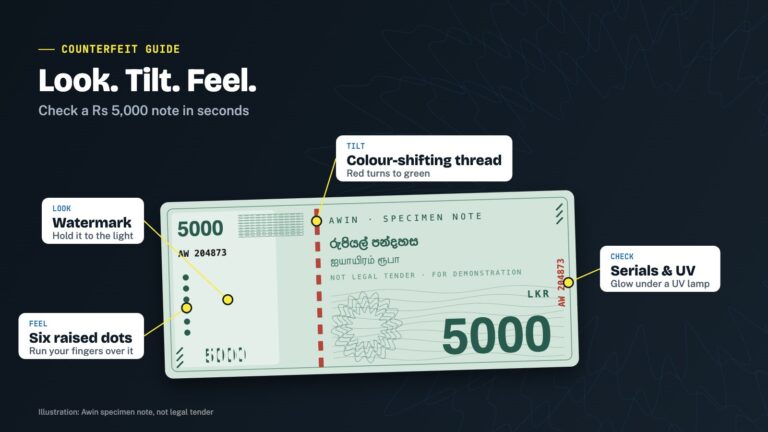
- Counterfeit detection: heavily worn genuine notes are harder for both people and machines to check, so keeping circulation clean helps everyone spot fakes.
- Time: checking notes by hand is slow and inconsistent. A machine applies the same rules to every note.
How a fitness sorter works
As each note passes through, a fitness sorter scans both sides with image sensors and uses additional sensors to measure things like thickness, which is how it finds tape. In a single pass it can:
- check the note is genuine (UV, magnetic, infrared and image checks),
- recognise the denomination and which way the note faces,
- judge whether it is fit or unfit,
- read its serial number, and
- send it to the right pocket.
The number of pockets decides how much sorting can happen at once. A two-pocket (1+1) machine can separate one group of notes, such as unfit notes, from the rest. A multi-pocket sorter can separate fit and unfit notes, several denominations and suspect notes in the same run, so cash is ready for the vault or the ATM without a second pass.
Who needs a fitness sorter?
- Bank branches that refill their own ATMs.
- Cash centres that process large volumes from many branches or businesses.
- Cash-in-transit (CIT) companies that prepare ATM cassettes.
- Large retailers that recycle cash back into their tills.
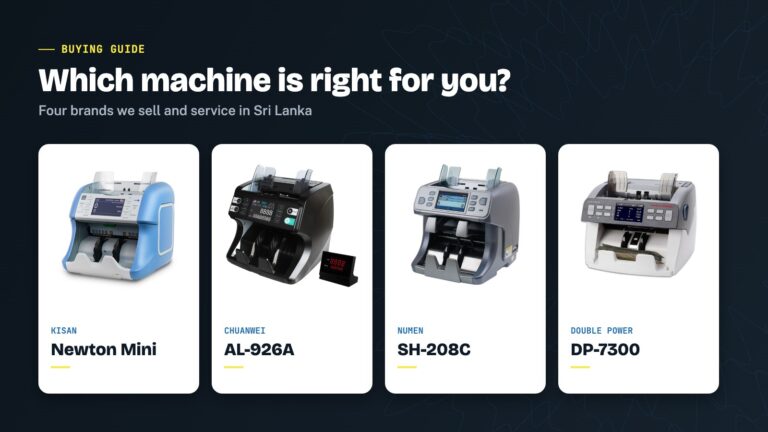
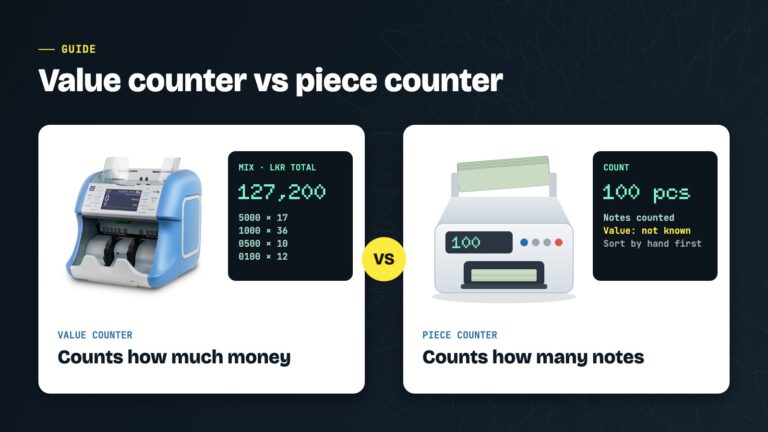
Most smaller businesses don’t need fitness sorting. A value counter is usually the better fit for them.
Fitness sorters in our range
| Machine | Pockets | Best for |
|---|---|---|
| Kisan Newton 3F | 1+1 | Branches that want fitness sorting, including dog-ear and tape detection, in a compact two-pocket machine. The Newton 3V version has value counting, counterfeit detection and serial number reading without fitness sorting. |
| Kisan Newton 30 | 2-1 | Fitness sorting for banks and cash centres, around 1,000 notes per minute and up to 48 currencies. |
| Kisan K5 | 4+1 | A space-saving vertical fitness sorter for back offices and cash centres, 1,000 notes per minute in every mode. |
| Kisan K6 | 4+2, expandable to 16+2 | Modular sorter for high-volume cash centres. Its 500-note pockets can fill an ATM cassette in one go. |
Fitness sorters are set up for each customer’s needs, so prices are given on request. Contact our sales team to arrange a demonstration. Every machine comes with installation, operator training and support from our service team across all nine provinces.